

Michigan Ross Alumni Take on Private Equity: Lessons, Challenges, and Wolverine Connections

Private equity is a fast-paced, ever-changing field that blends financial strategy, entrepreneurial spirit, and people-focused leadership. Graduates from the Ross School of Business are making their mark in this sector, shaping company growth, and driving industry transformation. In the following exclusive Q&A interviews, Uday Ahuja, BBA'06, Chief Investment Officer at RSE Ventures, and Andrew Taub, BBA’90, Managing Partner at L Catterton, offer candid insights into their journeys, their advice for future leaders, and how the Michigan Ross network continues to fuel their success.
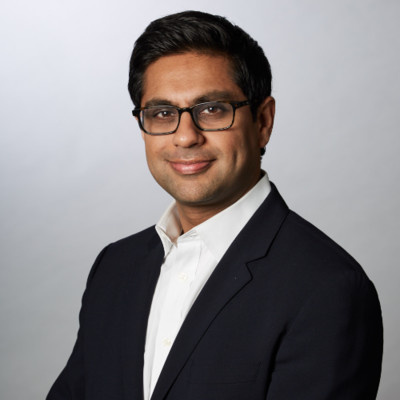
Meet Uday Ahuja
How did you get into private equity?
I started my career at Goldman Sachs in investment banking, working in the technology, media, and telecom group. At the time, it was traditional for investment banking analysts to move into private equity positions with significant buyout funds. I found such an opportunity within Goldman Sachs itself, on the buyout side.
However, when I entered private equity, it was 2008—the midst of the global financial crisis. The typical leveraged buyouts and take-private deals were relatively limited during that period. Fortunately, my group at Goldman had a flexible mandate, allowing us to go beyond traditional buyouts. We made distressed debt and credit investments, lending to high-quality companies with attractive returns in relatively safe parts of the capital structure. This gave me a holistic experience I might not have had in a pure buyout environment.
Later, I joined Steve Ross in a more operational role, which seemed like a great opportunity to work with Steve and gain hands-on experience running businesses—something junior professionals in private equity rarely get. I figured I could return to traditional private equity if I didn’t enjoy the operating side. But, fast-forward 15 years, I’ve remained in Steve’s world, first in that operational role, then as an investor-operator for several businesses we invest in on Steve’s behalf.
Today, we focus primarily on growth-stage businesses and lower middle-market buyouts—flavors of private equity distinct from traditional large buyouts and take-private teams.
What does a typical day in private equity look like for you?
Constant engagement with our portfolio companies’ senior management teams is at the core of my day. As fiduciaries of Steve’s capital, we’re responsible for ensuring we do right by the companies we’ve invested in. Typically, I talk to at least two CEOs each day about hiring, strategy, challenges, or fundraising.
Beyond that, we’re always looking at new opportunities—deals to add onto existing portfolio companies or potential new investments. I also spend considerable time meeting with peers and other industry executives to compare notes and learn best practices. There really is no substitute for learning from others and applying those lessons.
Which types of businesses or industries excite you most?
The obvious answer is AI, but for me, it’s about how AI intersects specifically with our portfolio. For example, some of our consumer businesses—like restaurants—are exploring AI technologies to improve delivery efficiency.
Generally, we’re captivated by brands since they provide inherent distinction and intellectual property advantages. We focus on evaluating brands because they help us cut through the noise. For example, working with David Chang at Momofuku gives us a key differentiator through visibility and awareness—bringing in more customers, lowering acquisition costs, and driving growth.
What are some challenges in private equity that people might not realize?
Right now, the industry is somewhat paralyzed by high interest rates and financing costs. Public markets, which were previously closed, are just starting to reopen, limiting exits for private equity firms. As a result, firms are holding companies longer than the standard three to five years, which doesn’t always mean better returns or valuations. This has brought new strategies, like continuation vehicles, but it’s a dynamic that creates a logjam—even as public markets do well, private markets are still slow. Capital is waiting to be deployed (“dry powder”), but most firms are sitting on the sidelines until more exits materialize. That’s why I use the word "paralysis"—big deals are rare, and there’s a definite flight to quality.
What is one of your proudest career accomplishments?
Near the top of the list is helping create the Miami F1 race. Steve (Ross) owns the Miami Dolphins, and I took the leading role in putting the Formula One deal together. Seeing it come to fruition, after collaborating with our team and partners, was immensely gratifying. It’s one of the coolest and most successful projects I’ve been a part of.
What makes a great investor?
It’s less about just doing deals—more about what you do after the deal closes. Having the right emotional quotient (EQ) to work with founders and management teams is significant and underrated, especially in growth-stage businesses where founder- and management-team relationships are key. Being able to empathize, act as a “therapist” at times, and bring a spirit of partnership are invaluable qualities. Finding the right groove and having high EQ is crucial.
What advice do you have for Michigan Ross students or alumni pursuing careers in PE?
Network, network, network. Talk to as many people as possible and learn about as many parts of the industry as you can. When I graduated from Ross, private equity meant mostly large buyouts. Now, the field is vast: lower middle market, credit funds, continuation vehicles, secondaries. You're not expected to know it all as a new graduate—the only way to learn is by engaging with others and asking questions. There’s no single path; it’s not just two years here, then two years there. There are alternative routes, so get out there, talk to people, and understand what they do.
Favorite campus memory or place?
Spending evenings with friends at the Brown Jug during my senior year is quintessential Michigan. Those relationships and experiences—at your favorite restaurants, bars, or campus hotspots—are irreplaceable.
On working for Stephen Ross:
Meeting Steve Ross definitely didn’t hurt, given my Ross background! I’m incredibly proud to work in his world; Steve is a genuinely good guy, easy to talk to, and down-to-earth. It makes me even prouder to have graduated from Ross, because character really matters.
The Michigan network has been excellent. People genuinely want to help each other succeed. It’s been invaluable—to pick up the phone, get advice, and connect over shared experiences. There’s no greater connection than having gone to Michigan.
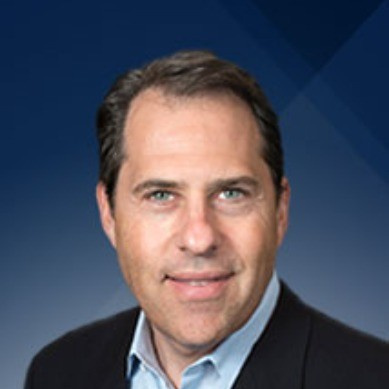
Meet Andrew Taub
How did you get into private equity?
After graduating, I started in investment banking, but I’ve always been entrepreneurial, which became a central theme of my career. My father started his own business, so curiosity and entrepreneurship are in my DNA. I wanted to get closer to how businesses work and help them grow.
At the time, there wasn’t a clear path into private equity; you had to network and make your own way. I was eventually introduced to a small but focused firm dedicated to growing businesses. That firm grew over the years—today it’s L Catterton, a large global player.
In 1996, I joined as one of three partners; our fund was $28 million and quickly grew to $100 million. Today, we manage over $35 billion in multiple funds worldwide, and our most recent vehicle is over $6.5 billion. It’s been an incredible journey, and the industry has evolved dramatically.
What does a typical day look like for you?
No day is the same, which keeps things exciting. My days involve meeting new businesses and entrepreneurs—hearing what makes their companies tick is a highlight. I spend significant time connecting with people, either directly or through intermediaries like investment bankers.
Much of my time is on boards and working closely with our companies to help them grow—addressing revenue, margins, and strategic direction. There’s also the core work of evaluating new investments, handling due diligence, planning acquisitions, and managing exits for liquidity.
Finally, I spend time with our investors, communicating updates and ensuring their capital is managed prudently. And, of course, I’m on the road multiple times a month, meeting businesses and teams.
Which businesses or industries excite you most?
Food is an exciting space right now. We see innovative brands like Kodiak Cakes taking market share from traditional players, and there’s still significant growth potential. We also focus on healthcare services and multi-unit restaurants—growing these brands is particularly rewarding.
What challenges do you face in private equity that people may not realize?
The biggest challenge is the quality of the management teams you partner with. As investors, we don’t run the day-to-day operations—so influencing strategy and execution isn’t always straightforward. Human capital—portfolio management through people—is always the most challenging part. Success depends on backing great entrepreneurs and managers and working through their teams.
What are you most proud of in your career?
I’ve had the privilege to be part of great businesses that generated significant returns for our investors. What’s really special is our management incentive plans, under which company leaders share in the profits if their business performs incredibly well. This core tenet of private equity can transform lives—helping people afford their kids’ college, pay off their mortgage, or retire comfortably.
Being part of someone’s financial transformation is incredibly rewarding. I’ve seen it happen many times, and while it doesn’t always play out that way, when it does, it’s truly special.
What makes a great investor?
Curiosity is essential. Intellectual curiosity—the drive to ask questions and keep learning—is the most important aspect of the job, because every business and opportunity is unique. You can’t presume you know the answers.
Entrepreneurship matters too. Great opportunities don’t just come to you; you have to go find them, network, and make them happen. Hard skills—being able to model, analyze, and understand the numbers—are vital early in your career. But over time, you must build your own network and become your own advocate and entrepreneur. Ultimately, the magic comes from marrying hard skills and soft skills.
What advice do you have for Michigan Ross students or alumni pursuing careers in PE?
Build experiences that develop the fundamental building blocks of business and finance. Be open-minded—opportunities come in different ways and forms, and you need to be prepared to recognize them.
You can’t predict your future exactly, but if you’re ready when opportunities arise, you’ll be in a position to succeed.
Favorite campus memory or place?
There are so many: football games, time spent on the Diag, parties, and, of course, Dominick’s.
On the power of the Michigan Ross network:
Michigan Ross provided me with a strong foundation of hard skills in finance and accounting, which put me in a position to succeed early in my career. What’s unique about Ross and Michigan is you find people who develop both IQ and EQ—a blend of academic intensity and social connection that mirrors the real world. Being part of such a successful, extensive network is a considerable advantage, and it prepares you for real-world challenges.
Michigan Ross, Private Equity, and Beyond
From the Brown Jug to the boardroom, the journeys of Uday Ahuja and Andrew Taub demonstrate the adaptability, curiosity, and collaborative spirit that Michigan Ross cultivates. Their experiences show the importance of building relationships, lifelong learning, and embracing both technical and personal growth. As private equity continues to evolve, Michigan Ross alumni are leading the way. For students and graduates alike, these stories are a reminder of the strength and reach of the Michigan network—a community ready to offer advice, make connections, and support bold career moves.
Go Blue!