

Management as a Calling: Students Share Reflections on Andy Hoffman’s Award-Winning Course
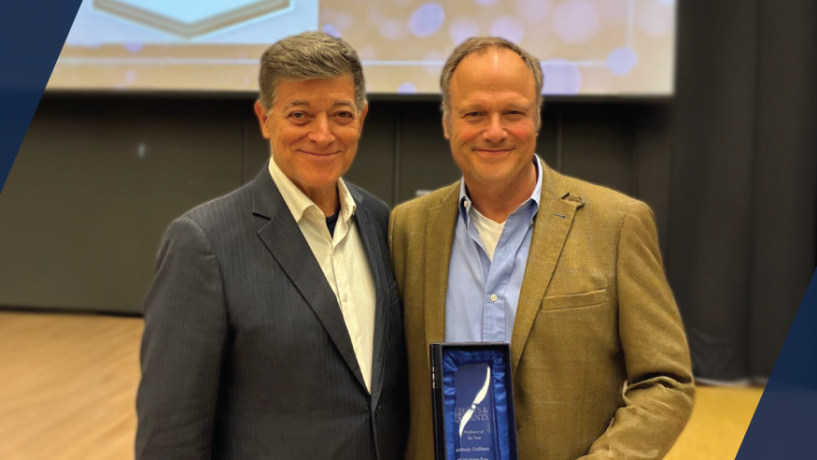
This year, Poets&Quants named Andy Hoffman, Holcim (US), Inc. Professor of Sustainable Enterprise at the Ross School of Business, the 2025 MBA Professor of the Year. Hoffman received this recognition for his transformative course, Management as a Calling (MO 635), which prompts students to reflect on their personal values and the broader impact of business in society.
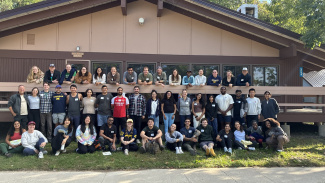
Through hands-on exercises and a retreat in northern Michigan, Hoffman’s class challenges students to consider their purpose in the business world, as well as their legacy.
We asked four students to share what they learned from the course, how their perspectives shifted, and why they recommend Management as a Calling to fellow students.

Noah Kim, MBA ’26
What is your career interest/goal
The intersection of strategy, real estate, and entrepreneurship. I want to use the tools of business not just to grow companies, but to build organizations that create lasting impact for people and communities.
What are some of the biggest takeaways you got from Professor Hoffman’s class that have encouraged you to think differently about the role of business in society?
As part of this class, we went on a retreat to Douglas Lake in northern Michigan. Spending time off the grid, we had to slow down and ask questions that don’t fit neatly into a spreadsheet: What does it mean to lead with integrity? What’s the impact of our work decades from now? We brainstormed our life mission plans and wrote our eulogies. This helped frame what matters most in our lives. From a business perspective, these exercises helped demonstrate that positively impacting others through our lives and careers was paramount. It changed how I view the role of business, from a tool for personal success to a platform for long-term contribution.
How did Professor Hoffman’s class influence how you think about your career’s purpose and potential impact?
I’ve always been drawn to entrepreneurship, but Management as a Calling reframed it as stewardship: the idea that leading a company is also about shaping culture, relationships, and legacy. It made me realize that “purpose” doesn’t just sit in a mission statement; it’s in the everyday actions that determine who we become as leaders.
Why would you recommend a student consider enrolling in Management as a Calling?
It’s one of the few classes that asks you to stop running for a moment and look in the mirror. You don’t just learn business plans, you learn about yourself. Whether you’re going into consulting, startups, entrepreneurship, finance, or corporate roles, this class challenges you to think about what really matters before life speeds up again.
What is your favorite memory from this class?
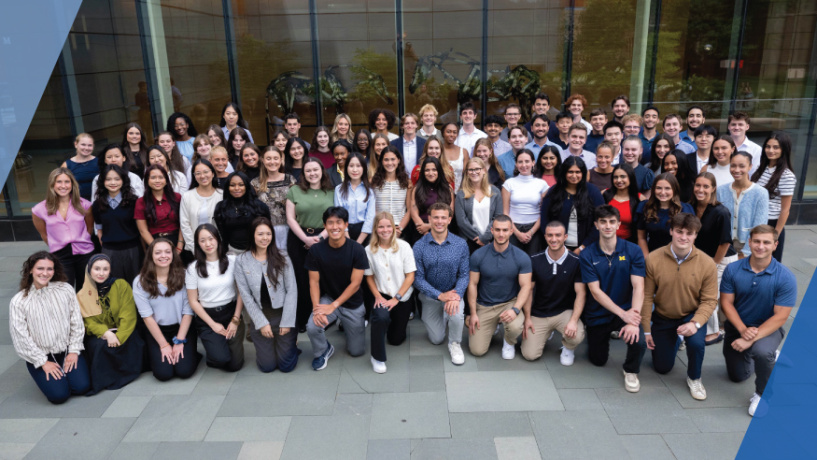
The first night at Douglas Lake. No phones, no Slack, no recruiting talk, just 45 of us around a campfire under the stars. We talked about what drives us and what scares us about life in general. It was one of the first times in business school where everyone showed up as their full selves. That sense of presence and connection has stayed with me since.
Simona Gallego Llano, MBA ’26
What is your career interest/goal?
Strategy or management consulting
What are some of the biggest takeaways you got from Professor Hoffman’s class that have encouraged you to think differently about the role of business in society?
One of my biggest takeaways was the importance of being intentional with the decisions I make, both professionally and personally. The class encouraged me to think deeply about the kind of legacy I want to leave in the world and how I want to be remembered by the people around me. It helped me see that while a professional career is meaningful, my role as a person and how I show up, contribute, and care for others matter even more.
How did Professor Hoffman’s class influence how you think about your career’s purpose and potential impact?
One of the most powerful reflections I carried from the retreat was the question: “What role do I want to have in creating the world I want to live in?” It made me realize that my career should be a means to contribute positively to society, not just a path to personal achievement. I want my work to bring light, to help others, to create value that extends beyond financial outcomes, and to contribute to building more responsible and human-centered organizations.
Why would you recommend a student consider enrolling in Management as a Calling?
This class was one of the most memorable and transformative experiences I have had in a long time. Being able to truly disconnect from the outside world and take time to reflect, connect with myself, and engage in deep and meaningful conversations with others was priceless. The retreat created space for introspection and genuine human connection, helping us think not only about what we want to do in our lives but who we want to become. I recommend it to anyone who wants to align their professional path with personal purpose. Additionally, meeting a human being like Professor Hoffman is truly amazing!
What is your favorite memory from this class?
My favorite memory was listening to my classmates’ life stories at the retreat. It was inspiring to understand the richness behind every person, their culture, values, experiences, and motivations. Those conversations reminded me of the beauty of human diversity and how much we can learn from one another when we take the time to truly listen and engage.
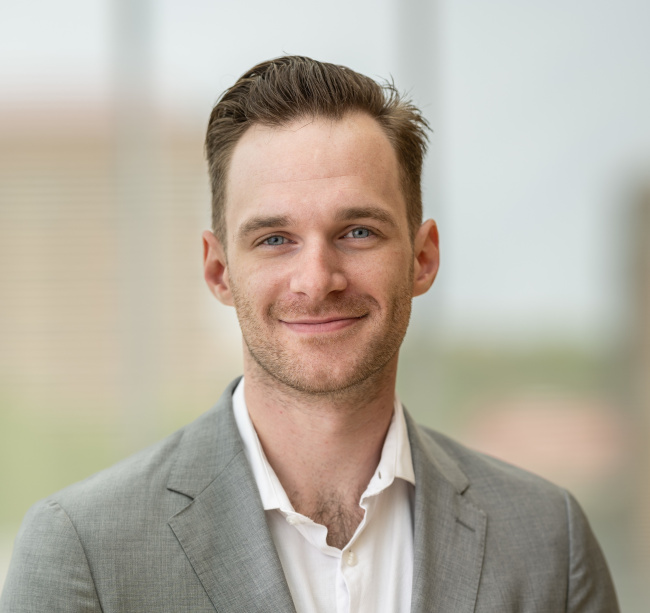
Craig Reiley, MBA/MS ’26
What is your career interest/goal?
Renewable energy. My goal is to eventually transition into an international development bank, a non-governmental organization, an impact investing firm, or the corporate social responsibility arm of a corporation, where I can lead or scale renewable energy initiatives and other sustainable programs across the Caribbean, Africa, or Asia.
What are some of the biggest takeaways you got from Professor Hoffman’s class that have encouraged you to think differently about the role of business in society?
The class really opened my eyes to how much our sense of purpose can evolve throughout life. I used to think you should stick to one calling, but now I realize it’s perfectly natural for that to shift over time as we grow and experience new things. The exercise where we wrote letters to our future selves especially drove that home for me because it acknowledged that significant changes can occur that impact your calling and career journey. I think it’s crucial to keep that in the forefront as you navigate life and its unrelenting challenges.
How did Professor Hoffman’s class influence how you think about your career’s purpose and potential impact?
Taking this class brought me back to the reason I came to graduate school in the first place. This course helped me refocus on my passion for international development. The readings and discussions prompted me to reassess my goals in a new light and reflect on my personal story — how I arrived at this point and why this path matters to me. Sharing that journey in class, and hearing others do the same, was a powerful reminder to trust my own direction, even when it looks different from everyone else’s or gets questioned along the way.
Why would you recommend a student consider enrolling in Management as a Calling?
If you're feeling uncertain about your direction — or just want to dig deeper into your motivations and values — this class provides a supportive space and practical tools for that inner work. Even if you think you know your path, this course challenges you to think on a different level and from different perspectives, which I found extremely valuable during times of self-reflection and planning for the future. There are other ways to arrive at the same realization; however, if you’re a student curious about these topics and introspection, engaging in thought-provoking readings, exercises, and discussions can be a valuable approach. This course is structured in a beautiful way to get you started.
What is your favorite memory from this class?
The best part was the honest conversations during the retreat discussion sections. People really opened up, and it created space for real connection and understanding — both about each other and about ourselves. Hearing classmates share their stories and experiences inspired me to rethink some of my own perspectives and brought our community closer together. It’s not often we get to have this dialogue with people in general, and it was apparent with some of the students’ level of engagement. Because the space felt safe and confidential, everyone opened up. We had honest, thoughtful conversations, and the experience provided a framework for how to have these discussions with others in the future.
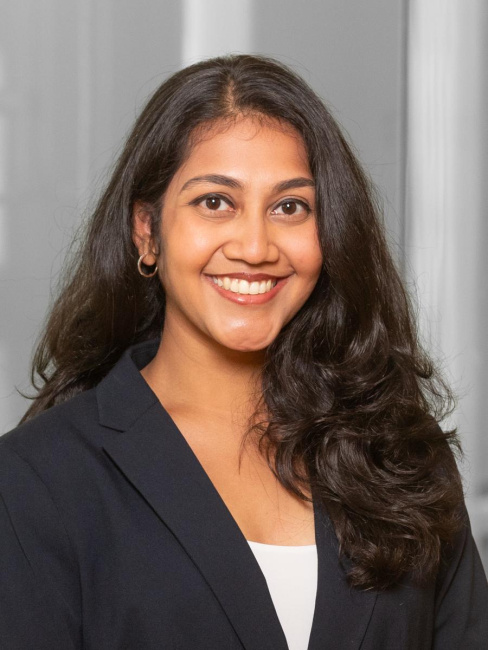
Aishu Garlapati, MBA ’26
What is your career interest/goal?
My background is in technology. After my MBA, I plan to stay in the tech industry, but shift my focus to product management. Long term, I want to start something of my own within tech and also get involved with nonprofits.
What are some of the biggest takeaways you got from Professor Hoffman’s class that have encouraged you to think differently about the role of business in society?
One major takeaway was how much deeper business can go beyond just serving customers or focusing on profits. The course retreat, with its introspective exercises structured around our past, present, and future, encouraged me to reflect on significant moments in my life, my core values, and the legacy I want to leave.
This process helped me see that businesses, collectively, have a responsibility to society and the planet — not just their direct stakeholders. It made me much more aware of the broader impact organizations have, and gave me a more empathetic, big-picture perspective on business decisions and their repercussions.
How did Professor Hoffman’s class influence how you think about your career’s purpose and potential impact?
Professor Hoffman’s class was unique because it emphasized finding your personal mission first, rather than just professional goals. Instead of focusing solely on climbing the career ladder, we discussed the kind of impact we want to leave on the world and the variety of ways people define purpose. Hearing my peers’ diverse aspirations, from impacting loved ones to pursuing sustainability at leading corporations, reminded me that my path doesn’t have to be perfectly mapped out. I identified important pillars for my own future — self-improvement, education, technology, mentorship, and women’s equity — and realized that whatever my path looks like, it’s okay if it evolves over time.
Why would you recommend a student consider enrolling in Management as a Calling?
I honestly think every student should take this course. Most business classes focus outward — on markets, companies, brands — but this one directs you inward, making space for real self-reflection. The retreat setting, with its no-technology policy, helped me stay present and delve deep into who I am versus who I want to become. It also fostered meaningful and personal connections with my classmates. I got to know my cohort on a level that just doesn’t happen at networking events or social outings. It’s a powerful opportunity to examine your motivations and values alongside future business leaders.
What is your favorite memory from this class?
My favorite memory is from the last day of the two-and-a-half-day retreat in northern Michigan. Professor Hoffman had reached out to people we selected as personal references — family and close friends — and collected letters from them to distribute in class. Seeing my classmates process these letters, many of whom cried after reading heartfelt messages from their loved ones, was unforgettable. It brought home how much support and pride surround us, and the importance of meaningful relationships. That day, I was so overwhelmed with gratitude that I called my parents in tears to thank them for all the sacrifices they made so I could have the opportunity to pursue my degree at Ross.